The Shrine that Our Mother of Perpetual Help Built
Discover the story of how a small wooden chapel transformed into one of the world’s largest shrines dedicated to Our Mother of Perpetual Help.
Mission Before the Novena (1906–1932)
Mission Before the Novena (1906–1932)
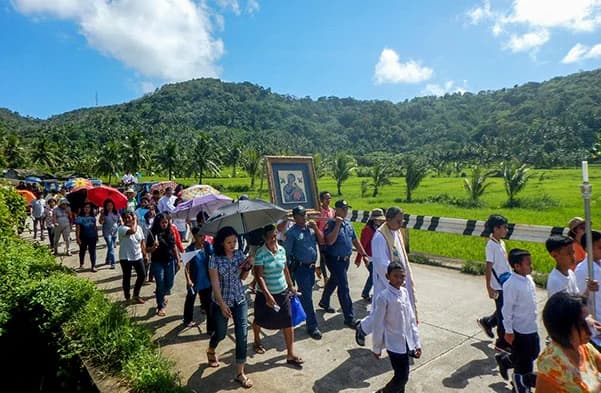
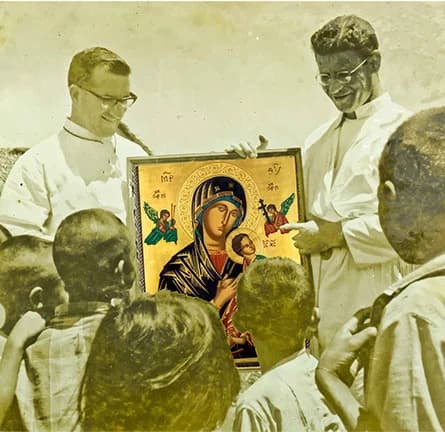
Forty years after Pope Pius IX commanded the Redemptorists in Rome in 1866 to make known the icon throughout the world, the Redemptorists brought the icon to the Philippines in 1906.
After every mission, Redemptorists usually left behind two things: the mission cross and the icon of OMPH. These symbols helped sustain the mission spirit and inspired locals to spread devotion.
The Move to Baclaran (1932–1948)
The Move to Baclaran (1932–1948)
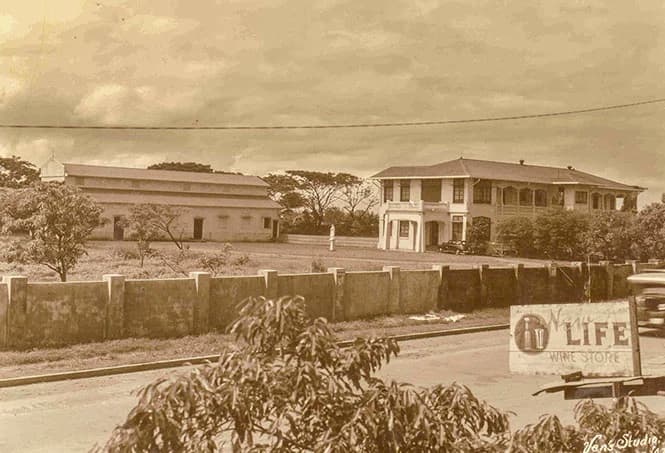
From the Visayas, the Redemptorists expanded to Luzon. They eventually moved from Malate to Baclaran in 1932, seeking a rural mission base far from urban distractions.
Baclaran was then a small fishing village, perfect for their mission work. The small wooden chapel they built laid the foundation for the shrine as we know it today.
The Explosion of the Novena (1948–1958)
The Explosion of the Novena (1948–1958)
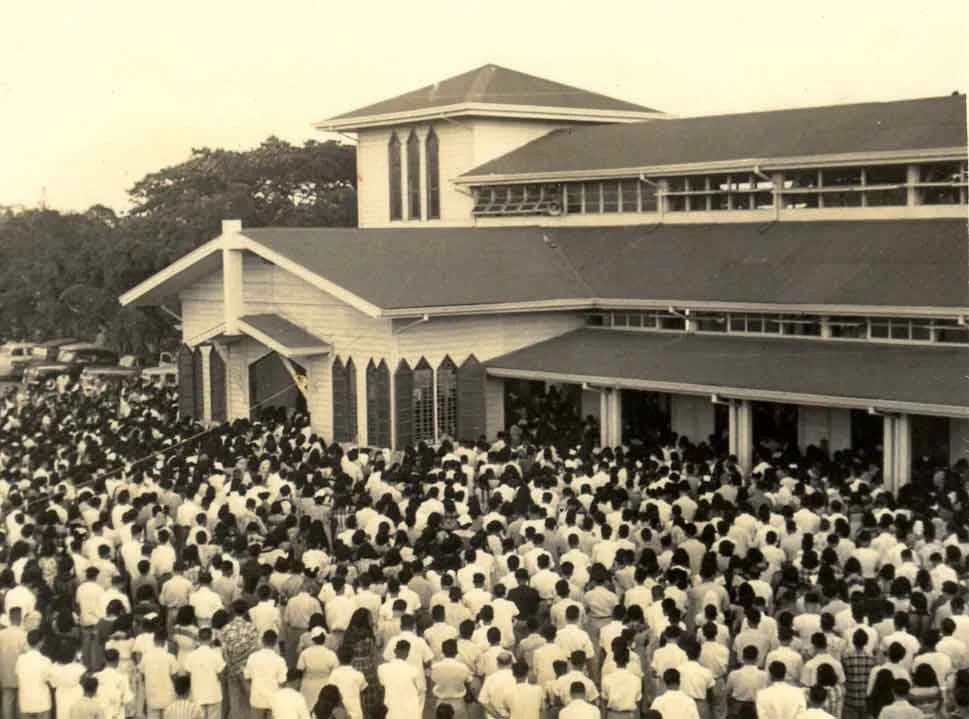
In 1948, the introduction of the Perpetual Novena devotion in Baclaran transformed the shrine from a local chapel to a pilgrimage site of national proportions.
Attendance grew from 70 to tens of thousands within a year. By the end of 1949, there were eight crowded novena sessions every Wednesday, with many devotees following from outside.
Spread of the Devotion All over the Land (1958–Present)
Spread of the Devotion All over the Land (1958–Present)
After the novena explosion, the devotion spread rapidly across the Philippines. When Redemptorists established houses in other cities during the 1950s–60s, the Wednesday novena was already popular.
This spread was driven by both clergy and lay devotees, making the Perpetual Novena a grassroots movement that continues to thrive today.